

Ceiling height can have a surprisingly strong influence on how buyers perceive a home’s value. While square footage, location, condition, and amenities typically receive more attention, vertical space can shape a buyer’s emotional response within seconds of entering a property. Higher ceilings often create an impression of openness, luxury, and architectural sophistication, while lower ceilings can make rooms feel more intimate or confined. For real estate agents, understanding this psychological effect can provide another useful way to explain why two homes with similar floor plans and square footage may generate very different buyer reactions. Ceiling height does not automatically determine market value, but it can significantly influence perceived home value and the overall desirability of a property.
Why High Ceilings Can Make Homes Feel More Valuable
High ceilings often make rooms appear larger than their actual dimensions, giving buyers the impression that they are receiving more space. A room with substantial vertical clearance can feel more expansive because the eye has additional space to travel upward. This effect can be particularly powerful in living rooms, foyers, kitchens, and primary bedrooms where buyers expect a sense of comfort and spaciousness. Tall ceilings can also contribute to a more upscale appearance when paired with architectural details such as large windows, exposed beams, crown molding, or dramatic lighting fixtures. When buyers associate vertical space with luxury and openness, they may perceive the entire property as being more valuable even when the additional ceiling height does not increase the home’s official square footage.
Ceiling Height and Buyer Emotions
Real estate purchases are influenced by emotions as much as they are by spreadsheets and comparable sales. When buyers walk into a room with high ceilings, they may immediately experience feelings of freedom, openness, and comfort. Those positive emotions can influence how long they remain in the space and how favorably they remember the property after the showing. Lower ceilings can create a cozy atmosphere that appeals to some buyers, but they may also make certain rooms feel smaller if the proportions, lighting, or furniture are not carefully balanced. Agents who understand these emotional responses can better identify which architectural features should be emphasized when presenting a property to potential buyers.
The Role of Natural Light and Ceiling Height
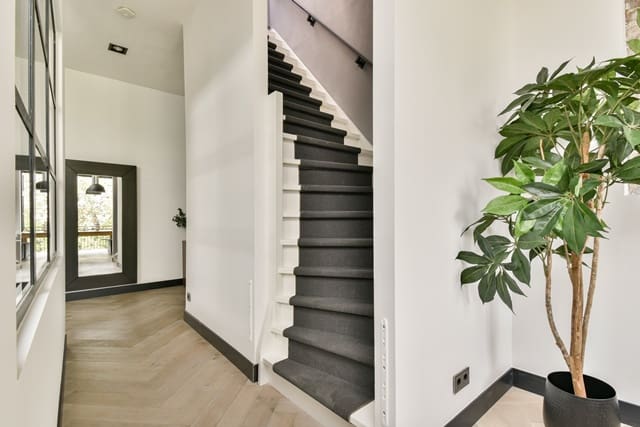
Ceiling height becomes even more influential when it works together with natural light. Tall ceilings paired with oversized windows, transoms, or strategically positioned glass can make a room feel exceptionally bright and spacious. Natural light can travel through a taller volume of space, while upward sightlines can reinforce the perception that a room is larger and more open. Conversely, a tall ceiling in a poorly lit room may not produce the same positive impression because buyers may focus more on darkness than vertical space. When marketing a home with impressive ceiling heights, real estate agents should consider how lighting, window placement, wall color, and architectural features work together to showcase the full effect.
How Ceiling Height Affects Real Estate Photography
Photography can either capture or diminish the impact of impressive ceiling height. Standard camera angles that point too directly at furniture or floor surfaces may fail to communicate how much vertical space a room actually contains. Wide-angle photography can help showcase architectural volume, although images should remain accurate and avoid creating a misleading representation of the property. Photographers can also use composition to include tall windows, upper cabinetry, beams, chandeliers, or other features that visually reinforce the height of the room. For agents, this means ceiling height should be treated as a marketing feature rather than an incidental architectural specification when it contributes meaningfully to the home’s appeal.
Staging Strategies for Homes With Tall Ceilings
Staging can make a major difference in how buyers interpret rooms with high ceilings. Furniture that is too small or arranged without consideration for vertical proportions can make a large room feel oddly empty rather than luxurious. Taller artwork, substantial lighting fixtures, curtains hung closer to the ceiling, and appropriately scaled furniture can help create visual balance. Designers can also use architectural details, greenery, shelving, and other vertical elements to draw attention upward without making the room feel cluttered. When the furnishings match the scale of the architecture, buyers are more likely to experience the ceiling height as an intentional luxury feature rather than simply an unusual dimension.
Making Lower Ceilings Work to Their Advantage
Lower ceilings are not necessarily a disadvantage, especially when they complement the purpose and design of the room. Bedrooms, offices, libraries, and family rooms can benefit from a more intimate atmosphere created by lower vertical dimensions. Warm lighting, appropriately scaled furniture, lighter paint colors, and uncluttered layouts can prevent lower ceilings from making a space feel unnecessarily restrictive. Agents should avoid drawing attention to ceiling height as a deficiency when the room’s design successfully creates comfort and functionality. Instead, the marketing strategy can emphasize the qualities that make the space inviting, practical, and appropriately scaled for its intended use.
Using Ceiling Height in Listing Descriptions
Real estate listing descriptions should communicate the experience created by ceiling height rather than simply stating a measurement. Instead of relying solely on phrases such as “10-foot ceilings,” agents can describe how the vertical space enhances the room’s openness, natural light, architectural character, or entertaining potential. Specific language can help buyers visualize the property before they schedule a showing or walk through the home. Strong descriptions might highlight soaring ceilings in a great room, dramatic volume in an entryway, or vaulted architecture that complements expansive windows. When ceiling height genuinely differentiates a property from competing listings, incorporating it into the listing copy can strengthen the home’s marketing message and improve its perceived appeal.
Ceiling Height, Luxury Features, and Buyer Expectations
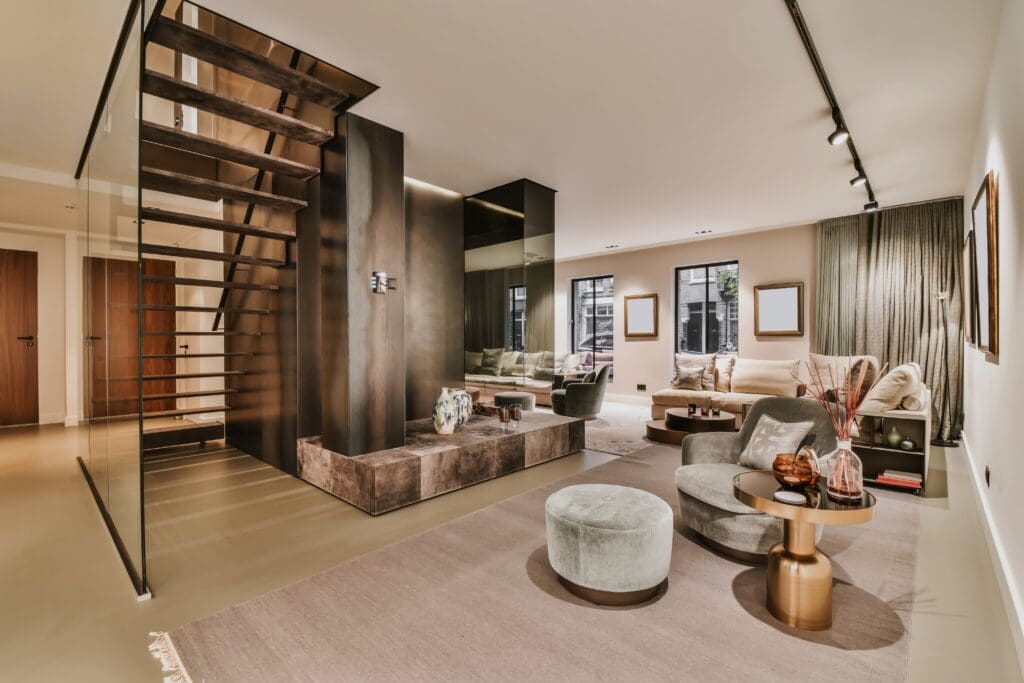
Ceiling height can become particularly important when buyers are comparing homes in the luxury or move-up market. Buyers who expect premium finishes may also expect architectural features that create a stronger sense of scale and distinction. High ceilings can complement features such as custom millwork, statement fireplaces, oversized doors, designer lighting, and expansive windows, creating a cohesive luxury aesthetic. However, ceiling height alone rarely justifies a premium price if the rest of the property does not support that positioning. Agents should evaluate the feature in context and determine whether it contributes to a broader package of architectural and design advantages.
Ceiling Height and Comparative Market Analysis
Although ceiling height can influence perceived value, agents should be careful not to treat it as an independent pricing formula. Comparable sales remain essential for determining market value, and ceiling height should be evaluated alongside location, square footage, lot characteristics, condition, renovations, amenities, and current buyer demand. A home with taller ceilings may generate stronger emotional reactions than a comparable property, but that does not automatically translate into a specific dollar premium. Agents can use buyer feedback, showing activity, competing listings, and historical sales data to determine whether architectural features such as ceiling height appear to influence local demand. This approach allows agents to incorporate the feature into pricing conversations without overstating its financial impact.
Helping Sellers Recognize the Marketing Advantage
Sellers may overlook ceiling height because it is a permanent architectural characteristic that they have lived with for years. Real estate agents can help them recognize how buyers experience the property differently from someone who is already familiar with it. A tall ceiling that feels ordinary to the homeowner may actually be one of the first features a prospective buyer notices when entering the house. Identifying these visual and emotional advantages can help agents create more compelling staging plans, photography strategies, and listing descriptions. By turning overlooked architectural details into meaningful marketing points, agents can help sellers present their homes in a way that better communicates their distinctive qualities.
Conclusion: Turning Vertical Space Into Marketing Value
Ceiling height is a subtle architectural feature that can have a significant effect on how buyers experience and remember a home. High ceilings can enhance perceptions of spaciousness, luxury, natural light, and architectural quality, while lower ceilings can create warmth and intimacy when properly designed and staged. Real estate agents who understand these psychological and visual effects can use ceiling height more effectively in listing photography, property descriptions, staging decisions, and buyer conversations. The key is to connect vertical space with the overall experience of the property rather than presenting a measurement without context. When agents recognize the difference between objective market value and perceived home value, they can better showcase the features that make each listing stand out in a competitive real estate market.
#RealEstateMarketing #RealEstateAgents #HomeValue #RealEstateSEO #LuxuryRealEstate #HomeStaging #RealEstatePhotography #ListingMarketing #HomeDesign #RealEstateTips
