

Real estate listing photos can determine whether a property gets noticed online or quickly scrolled past. For real estate agents, understanding which listing photos attract the most clicks can provide valuable insight into how buyers shop for homes digitally. While professional photography remains important, certain types of images consistently give potential buyers a stronger reason to explore a listing further. Exterior photos, kitchens, living spaces, primary bedrooms, and distinctive property features can each play an important role in generating interest. By studying photo engagement and understanding what buyers want to see, agents can create listing galleries that encourage more clicks, longer viewing sessions, and stronger interest in the property.
Why the First Listing Photo Matters
The first listing photo often serves as the visual introduction to a property and can influence whether a buyer clicks to see more. On real estate search platforms, buyers may scroll through dozens of listings while comparing price, location, size, and appearance. A bright, attractive image that clearly communicates the home’s strongest visual qualities can make a listing stand out from nearby properties. Exterior photos are frequently used as the primary image because they quickly establish the home’s architecture, curb appeal, and overall character. Agents should therefore treat the primary listing photo as a marketing asset rather than simply another required property image.
Exterior Photos Can Drive Initial Interest
A strong exterior photograph can immediately communicate the property’s curb appeal and help buyers visualize what arriving home might feel like. Homes with attractive landscaping, distinctive architecture, inviting entryways, porches, or appealing outdoor spaces can benefit from an exterior image that captures those features effectively. However, an exterior photo should not simply show the front of the house from the street if a more compelling angle is available. Agents should work with photographers to identify perspectives that highlight the home’s architecture, lot, landscaping, and relationship to surrounding outdoor areas. When buyers are deciding which listings deserve a closer look, a thoughtfully composed exterior image can provide an important reason to click.
Kitchens Get Significant Buyer Attention
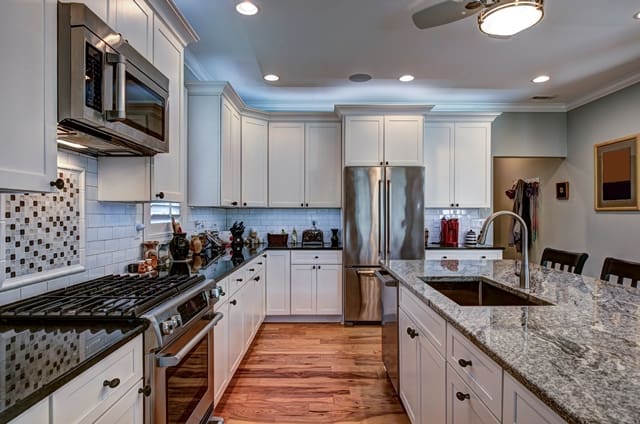
Kitchen photos are among the most important images in a residential listing because buyers often use the kitchen to evaluate the home’s design, condition, functionality, and potential lifestyle appeal. A well-photographed kitchen can showcase cabinet quality, countertop space, appliances, natural light, and the relationship between the kitchen and nearby living areas. Agents should make sure countertops are clean, unnecessary items are removed, and lighting is used to make the space appear inviting without creating an unrealistic appearance. Wide-angle photography can help communicate the layout, but the image should still accurately represent the room’s proportions. When a kitchen is one of a home’s strongest features, placing a compelling kitchen photo near the beginning of the gallery may help maintain buyer attention.
Living Rooms Help Buyers Imagine the Lifestyle
Living room photos can be especially effective because they allow buyers to imagine how they might use the home. An inviting living space can communicate openness, natural light, ceiling height, architectural details, and the potential for furniture placement. Agents should look for photographs that show the room’s dimensions and its connection to other important areas of the house. Staging can also help buyers understand the purpose of a large or unusually shaped room that might otherwise be difficult to visualize. The strongest living room images typically balance visual appeal with enough information for buyers to understand how the space actually functions.
Primary Bedrooms Create an Emotional Connection
The primary bedroom can influence buyer interest because it represents one of the home’s most personal spaces. Photos that show natural light, attractive finishes, spacious proportions, architectural details, or a connection to a primary bathroom can make the room more memorable. Agents should avoid photographs that make bedrooms look overly dark, cluttered, or significantly smaller than they are. Proper preparation can include removing excess furniture, organizing surfaces, opening appropriate window coverings, and creating a clean visual environment. A well-composed primary bedroom photograph can help transform a listing from a collection of rooms into a home buyers can more easily imagine themselves living in.
Unique Features Can Earn Extra Clicks
Not every listing needs to compete solely through traditional rooms because unusual or memorable features can become powerful visual hooks. A dramatic fireplace, screened porch, finished basement, home office, outdoor kitchen, oversized pantry, architectural staircase, pool, or impressive view can give buyers a reason to explore the gallery. Agents should identify these distinctive features before the photography appointment and make sure they receive appropriate visual coverage. Unique photos can also help differentiate a property from competing listings that have similar bedrooms, bathrooms, and square footage. When a property has something buyers are unlikely to find in every nearby home, that feature deserves strategic placement in the listing’s photo sequence.
Bright and Natural Photos Perform Better Visually
Lighting has a major impact on how buyers perceive listing photographs. Dark, yellow, overly processed, or poorly exposed images can make rooms appear smaller or less inviting than they actually are. Natural light can help reveal room dimensions, finishes, textures, and architectural details while creating a cleaner visual presentation. Agents should coordinate with professional photographers to determine the best time of day for exterior images and use appropriate lighting techniques for interior spaces. The goal should be an attractive but accurate representation of the property that gives buyers confidence in what they will see during an in-person showing.
Photo Order Can Influence Buyer Engagement
A listing’s photo sequence deserves nearly as much attention as the individual images themselves. Agents should consider whether the first several photos tell a compelling visual story about the property rather than simply following a random room-by-room order. After the primary exterior image, strong spaces such as the kitchen, living room, primary suite, backyard, or signature feature may deserve early placement depending on the home’s unique selling points. Less visually distinctive spaces can appear later while still receiving enough coverage to answer buyers’ questions. Strategic photo ordering can help keep buyers moving through the gallery instead of losing interest after the first few images.
Use Listing Analytics to Learn What Buyers Notice

Agents can use listing performance data to develop a more informed understanding of buyer behavior. Depending on the platform and available analytics, metrics such as views, clicks, saves, inquiries, showing activity, and time on listing pages can provide clues about how effectively the marketing is performing. While these metrics do not always reveal exactly which individual photograph caused a buyer to engage, patterns across multiple listings can still be useful. Agents can compare which properties generated stronger online engagement and identify recurring visual characteristics among those listings. Over time, this approach can help agents build a data-informed real estate photography strategy rather than relying entirely on personal assumptions.
Create a Photo Strategy Before the Photographer Arrives
The best listing photography usually begins before the camera comes out. Agents should identify the property’s strongest features, determine which rooms deserve special attention, and communicate those priorities to the photographer. Sellers can then be given a targeted preparation checklist based on the property’s specific needs rather than a generic instruction to clean the house. Agents should also consider seasonal landscaping, exterior lighting, views, neighborhood amenities, and other characteristics that could influence the visual presentation. A short planning session can help ensure the final photo gallery tells a cohesive story and gives buyers enough reasons to continue exploring the listing.
Conclusion
The most clicked listing photos are not necessarily the most expensive or elaborate images, but they are usually the ones that communicate something meaningful about the property. Strong exterior photographs can attract the initial click, while kitchens, living rooms, primary bedrooms, and distinctive features can keep buyers engaged. Lighting, staging, composition, and photo order all contribute to how effectively a listing gallery presents the home. Real estate agents who review listing performance and look for patterns in buyer engagement can continually improve their photography strategy. By treating listing photos as a data-informed marketing tool, agents can create stronger online presentations that help their properties stand out in an increasingly visual real estate marketplace.
#RealEstateMarketing #ListingPhotos #RealEstatePhotography #RealEstateAgents #ListingMarketing #HomePhotography #RealEstateSEO #PropertyMarketing #RealEstateListings #BuyerBehavior
