
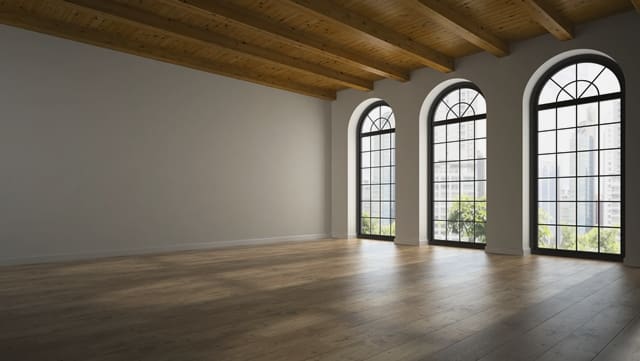
When buyers walk into an empty house, their reactions can be surprisingly different from what sellers expect. A vacant property may look clean, spacious, and move-in ready, but it can also feel cold, unfinished, or difficult to imagine as a home. For real estate agents, understanding what buyers think when they see an empty house can provide valuable insight into staging, marketing, and showing strategies. Buyers often make quick emotional judgments based on how a property feels within the first few moments of a showing. By anticipating those reactions, you can help sellers present vacant homes in a way that encourages buyers to see the property’s potential rather than focusing on what is missing.
Buyers May Think the House Feels Larger
One of the first positive reactions buyers may have to an empty house is that it feels surprisingly spacious. Without furniture occupying the rooms, buyers can easily see the full dimensions of bedrooms, living areas, hallways, and other spaces. An uncluttered floor plan can make the property appear open and provide a clear view of architectural features that furniture might otherwise hide. However, an empty room can also make it difficult for buyers to understand whether their existing furniture will fit comfortably. Real estate agents can address this uncertainty by providing accurate room dimensions, floor plans, and strategically selected listing photographs.
Buyers May Struggle to Imagine Living There
A vacant house removes many of the visual cues that help buyers picture themselves living in the property. Furniture, artwork, rugs, lighting, and accessories can create an emotional connection that an empty room often lacks. Without those elements, buyers may spend more time thinking about bare walls and floors instead of imagining family dinners, movie nights, home offices, or relaxing weekends. This is one reason home staging can be particularly valuable for vacant properties. Whether sellers choose traditional staging or virtual staging, giving buyers visual inspiration can make the property feel more relatable and memorable.
Empty Rooms Can Feel Smaller Than Expected
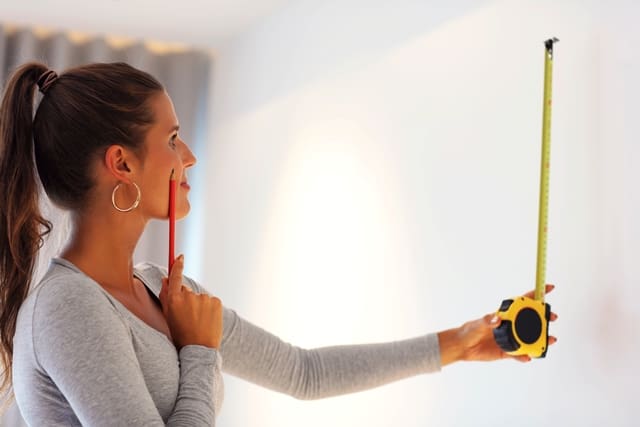
Although an empty house can technically look more spacious, individual rooms sometimes have the opposite effect on buyers. Without furniture providing visual scale, it can be difficult to understand how large a bedroom or living room actually is. A completely empty room may appear oddly proportioned, especially when buyers are trying to determine whether a sectional sofa, king-size bed, dining table, or home office setup will fit. This uncertainty can affect how buyers evaluate the property’s functionality. Agents can help by using furniture strategically in key rooms or incorporating detailed floor plans into the listing.
Buyers May Notice Every Imperfection
An empty house gives buyers very little to distract them from imperfections. Small wall marks, worn flooring, outdated fixtures, stains, awkward transitions, and minor maintenance issues can become much more noticeable when rooms are completely bare. Buyers may also pay closer attention to the condition of baseboards, ceilings, doors, windows, and other details because there is nothing else competing for their attention. That does not necessarily mean every imperfection needs to be repaired before listing, but sellers should understand how much more visible those issues can become. A pre-listing walkthrough can help identify inexpensive improvements that make a vacant property show better.
Buyers May Wonder Why the House Is Empty
A vacant property can sometimes trigger questions about the seller’s circumstances. Buyers may wonder whether the home has been sitting on the market, whether the seller has already moved, or whether there is another reason the property is unoccupied. Those questions do not automatically create negative perceptions, but uncertainty can influence how buyers interpret the listing. Agents should make sure the property’s marketing communicates the facts clearly without creating unnecessary concern. When appropriate, emphasizing benefits such as immediate availability, flexible showing opportunities, and a clean slate for the next owner can help frame vacancy positively.
Buyers May Assume the Seller Is Motivated
An empty house can sometimes make buyers believe the seller is eager to close. If the property is vacant, buyers may assume the seller is paying for an unoccupied home, has already purchased another property, or wants to move on quickly. That perception can influence negotiation strategy, particularly when buyers are considering how aggressively to structure an offer. Sellers should therefore be prepared for buyers to test their negotiating position. Real estate agents can help sellers establish a pricing and negotiation strategy that does not unintentionally signal excessive urgency.
Buyers May Appreciate a Clean Slate
Not every buyer dislikes an empty property. Some buyers love the opportunity to walk into a home without furniture, personal belongings, or decorative choices influencing their perception. A vacant house can feel neutral and allow buyers to focus on the architecture, floor plan, finishes, and overall condition. Buyers who already have a strong vision for their own decorating style may find an empty property especially appealing. Agents should recognize that vacancy can be an advantage when the property’s physical characteristics are strong and the marketing emphasizes its possibilities.
Virtual Staging Can Shape Buyer Expectations
For vacant homes, virtual staging can give buyers a better understanding of how rooms might look when furnished. Digitally added furniture can demonstrate scale, establish a sense of purpose, and create stronger listing photographs for online marketing. However, virtual staging should be used responsibly and should accurately represent the property’s actual layout and condition. Buyers should not feel misled when they arrive for a showing and discover a completely empty space. Clear disclosure and realistic images can help virtual staging serve as a visualization tool rather than an unrealistic sales tactic.
Help Buyers Focus on the Possibilities

The best strategy for marketing an empty house is not necessarily to hide the fact that it is vacant. Instead, agents can help buyers understand what the property offers and how they might use the available space. Listing descriptions can highlight flexible rooms, entertaining areas, storage opportunities, natural light, outdoor living spaces, and other features that help buyers envision their future there. During showings, agents can also point out practical details that may be overlooked when a home feels bare. When buyers leave a vacant property thinking about possibilities rather than emptiness, the showing has accomplished its purpose.
Photography Matters Even More With Vacant Homes
Professional real estate photography becomes especially important when there is no furniture to provide visual interest. Empty rooms can photograph flat or sterile if the composition, lighting, and angles are not handled carefully. Wide but realistic images can highlight open layouts, architectural details, natural light, and desirable sightlines throughout the property. Agents should also consider including exterior photographs, neighborhood context, floor plans, and carefully selected detail shots to create a more complete online presentation. Since many buyers form an initial opinion before ever stepping through the front door, strong listing photography can determine whether a vacant house earns a showing.
Turn Vacancy Into a Marketing Advantage
An empty house does not have to be a disadvantage in the real estate market. Buyers may see extra space, fewer distractions, immediate availability, and an opportunity to create a home that reflects their own style. At the same time, vacant properties require thoughtful marketing because empty rooms can make scale, function, and emotional connection harder to communicate. Real estate agents who understand buyer psychology can use staging, photography, floor plans, virtual visualization, and strategic listing copy to overcome those challenges. Ultimately, the goal is to help buyers look beyond the absence of furniture and recognize the value, lifestyle, and possibilities the property provides.
Conclusion
Understanding what buyers think when they see an empty house can help real estate agents make smarter listing and marketing decisions. Some buyers will appreciate the clean slate, while others may struggle to visualize how they would use an unfurnished space. Empty homes can also magnify imperfections, create questions about seller motivation, and make room dimensions difficult to judge. Strategic staging, strong photography, accurate floor plans, and compelling property descriptions can address many of these concerns. By anticipating buyer reactions and presenting the vacant property thoughtfully, you can turn an empty house into a listing that feels full of potential.
#RealEstateMarketing #RealEstateAgents #HomeStaging #VacantHome #RealEstateTips #ListingMarketing #HomeSelling #RealEstatePhotography #VirtualStaging #BuyerPsychology
