
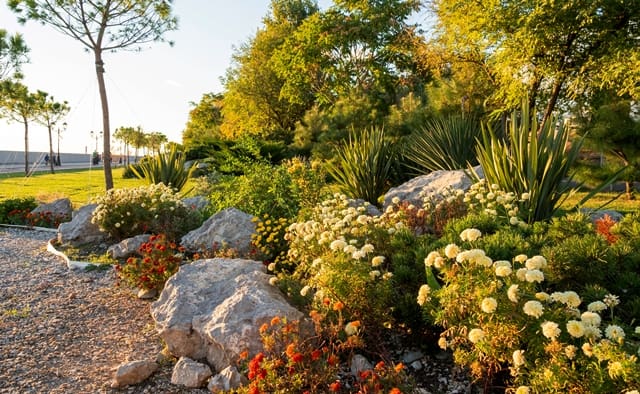
Drought-friendly landscaping is becoming an increasingly valuable feature for homeowners and real estate buyers who want attractive outdoor spaces without excessive water use. For real estate agents, understanding drought-tolerant landscaping can create another way to help sellers improve curb appeal and prepare properties for the market. A well-designed yard can make a home look more inviting while also addressing concerns about maintenance, water consumption, and long-term landscaping costs. Buyers may appreciate outdoor spaces that remain attractive through periods of limited rainfall and require less ongoing attention. Agents who recognize these preferences can use drought-friendly yards as a meaningful selling point when marketing homes with thoughtfully designed landscapes.
Why Drought-Friendly Landscaping Appeals to Buyers
Drought-friendly landscaping can appeal to buyers because it combines visual appeal with practical benefits. Many homeowners want attractive yards but do not want to spend hours watering, mowing, pruning, and maintaining extensive plant beds. Landscaping designed around water efficiency can reduce some of those maintenance demands while still creating a polished appearance. Native plants, ornamental grasses, shrubs, trees, mulch, and strategically placed hardscaping can produce an attractive outdoor environment without relying on thirsty turf throughout the entire property. When agents point out these features during showings, buyers may better understand the practical value behind the landscape design.
Native Plants Can Strengthen Curb Appeal
Native plants can play an important role in creating a drought-friendly yard that looks natural and established. Because native species are adapted to local environmental conditions, they can often perform well with less supplemental care once established. A thoughtfully selected combination of flowering plants, shrubs, grasses, and trees can add seasonal color and texture without making the yard appear sparse or unfinished. Agents can encourage sellers to work with local landscaping professionals to identify plants that are appropriate for the property’s climate and growing conditions. Highlighting mature native landscaping in listing descriptions and photographs can also help differentiate a property from homes with more generic outdoor spaces.
Replace Excessive Lawn With Strategic Landscaping
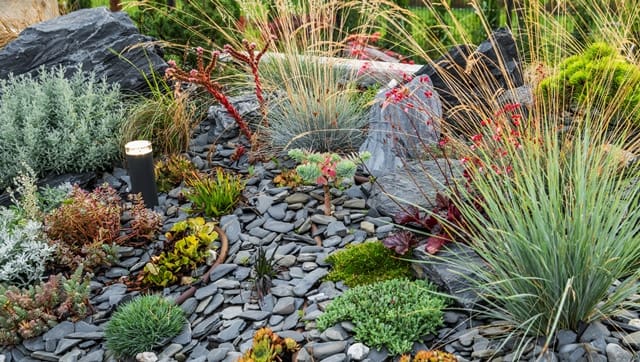
Large expanses of traditional grass can require significant irrigation and routine maintenance, which may make some properties less appealing to buyers seeking lower-maintenance outdoor spaces. Sellers do not necessarily need to remove all of their lawn to create a more water-conscious landscape. Instead, they can consider replacing difficult-to-maintain sections with planting beds, native ground covers, decorative stone, mulch, or other appropriate landscaping features. Creating clearly defined areas can make the yard appear intentional rather than simply reduced. Real estate agents can recommend focusing improvements on highly visible areas near the front entrance, driveway, patio, and other spaces that influence a buyer’s first impression.
Choose Plants for the Local Climate
Plant selection is one of the most important factors in creating a successful drought-friendly yard. A plant that performs well in one region may struggle in another because temperature, rainfall, soil conditions, humidity, and seasonal weather patterns vary significantly. Real estate agents should encourage sellers to prioritize plants that are appropriate for their local growing conditions instead of choosing landscaping solely because it looks attractive in a photograph. Local extension offices, nurseries, landscape professionals, and other qualified resources can help homeowners identify suitable options. Using climate-appropriate plants can make the landscape more sustainable while also improving the likelihood that the yard will remain attractive throughout the selling process.
Efficient Irrigation Can Add Practical Value
A drought-friendly yard is even more appealing when the irrigation system is designed to use water efficiently. Drip irrigation, properly positioned sprinklers, smart irrigation controls, and moisture-based adjustments can help direct water where plants actually need it. Sellers should make sure irrigation systems are functioning properly and that obvious leaks, broken sprinkler heads, or poorly adjusted zones are addressed before listing the property. Agents can also encourage sellers to provide documentation or information about irrigation upgrades when appropriate. A buyer who sees an attractive landscape and understands how it is maintained may have greater confidence in the practicality of the outdoor space.
Create Attractive Outdoor Living Areas
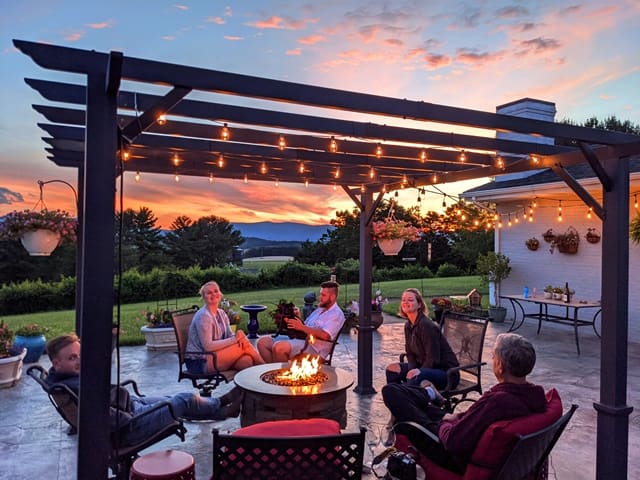
Drought-friendly landscaping does not have to focus exclusively on plants and water conservation. Outdoor living areas such as patios, seating areas, pathways, pergolas, and entertaining spaces can add visual interest while reducing the amount of landscape that requires irrigation. Strategic hardscaping can also create functional zones that make a yard feel larger and more purposeful. Combining hardscape elements with drought-tolerant plants can produce a balanced design rather than an outdoor space dominated by bare surfaces. For agents, these areas can provide additional marketing opportunities because buyers often respond to outdoor spaces that show how the property can be enjoyed.
Make Drought-Friendly Landscaping Look Intentional
One potential challenge with water-conscious landscaping is making sure buyers see it as a design feature rather than simply a reduction in lawn maintenance. Randomly removing grass without replacing it with an intentional landscape plan can make a property look unfinished. Repetition, defined planting beds, varied heights, complementary textures, and strategically placed focal points can make a drought-friendly yard feel cohesive. Sellers should also keep plants trimmed, remove dead growth, control weeds, and refresh worn areas before putting the home on the market. When the landscape looks intentional and well maintained, agents can present its low-water characteristics as part of the property’s overall appeal.
Highlight Drought-Friendly Features in Marketing
Real estate agents should consider how landscaping features are described in listing marketing rather than assuming buyers will immediately recognize their benefits. Terms such as drought-tolerant landscaping, native plants, low-maintenance yard, water-efficient irrigation, and outdoor living space can help communicate specific features when they accurately describe the property. High-quality listing photographs should showcase attractive planting beds, mature trees, outdoor entertaining areas, and other landscaping details. During showings, agents can explain practical features such as irrigation systems, established plantings, and low-maintenance areas when that information is available. Clear marketing can help buyers understand that the landscape is not only attractive but also intentionally designed around maintenance and water considerations.
Use Mulch to Improve the Landscape

Mulch is a relatively simple landscaping feature that can make planting beds look cleaner while supporting moisture retention around many plants. Organic mulch can also contribute to soil health as it breaks down, while other landscape materials may provide a different visual style and maintenance profile. Fresh, evenly distributed mulch can give an older landscape a more finished appearance before listing photographs are taken. Sellers should select mulch and installation methods that are appropriate for their plants and local conditions rather than treating mulch as a universal solution. Agents can point out well-maintained planting beds as part of the property’s overall curb appeal when discussing the landscape with prospective buyers.
Avoid Overlooking Landscape Maintenance Before Listing
Even a drought-friendly yard can lose its appeal if it is neglected before a home enters the market. Weeds, overgrown shrubs, dead plants, damaged edging, cracked pathways, and faded outdoor features can make the entire property appear less cared for. Sellers should walk the property from the street and from the main entrance to identify areas that may distract buyers. Small improvements such as pruning, fresh mulch, removing dead vegetation, cleaning hardscape surfaces, and repairing irrigation problems can make a noticeable difference. Agents who include exterior landscaping in their pre-listing preparation discussions can help sellers present the property more effectively from the first photograph to the final showing.
Conclusion
Drought-friendly yards can give real estate agents another opportunity to highlight practical and visually appealing features when marketing a home. Native plants, efficient irrigation, strategic hardscaping, mulch, reduced lawn areas, and functional outdoor spaces can work together to create a landscape that is attractive without being unnecessarily demanding to maintain. Sellers should focus on creating a cohesive design that fits the local climate rather than simply removing water-intensive landscaping. Agents can then incorporate accurate descriptions of these improvements into listing photography, property descriptions, and buyer conversations. As homeowners continue to consider maintenance, water use, and long-term costs, drought-friendly landscaping can become an increasingly relevant component of real estate marketing.
#DroughtFriendlyLandscaping #RealEstateMarketing #CurbAppeal #RealEstateAgents #Landscaping #WaterWiseLandscaping #NativePlants #LowMaintenanceYard #HomeSelling #RealEstateSEO
