
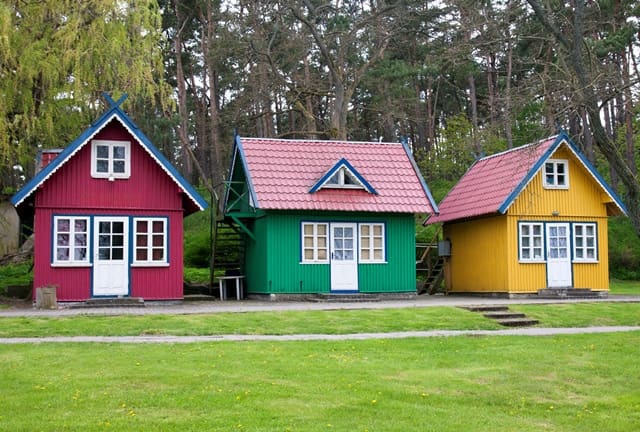
Tiny homes have moved from a niche housing concept into a topic that increasingly deserves attention from real estate agents. Typically designed around a much smaller footprint than traditional houses, tiny homes appeal to buyers interested in affordability, simplicity, lower maintenance, and alternative lifestyles. However, determining whether a tiny home is truly worth the investment requires more than comparing its purchase price with that of a conventional house. Agents should evaluate the property’s location, legal classification, land ownership, financing options, utility setup, and potential resale market. Understanding these factors can help agents provide more useful guidance when clients ask whether buying or selling a tiny home makes financial sense.
Why Buyers Are Considering Tiny Homes
Affordability is one of the biggest reasons buyers consider tiny homes, particularly when traditional housing costs are difficult to manage. A smaller home can potentially reduce expenses related to maintenance, utilities, furnishings, and ongoing upkeep. Tiny homes may also appeal to buyers who prioritize minimalism, flexibility, travel, or reducing the amount of time spent maintaining a property. Some buyers are attracted to the possibility of owning a home while purchasing less square footage than they would receive in a conventional property. For real estate agents, understanding these motivations can make it easier to identify which clients may be interested in alternative housing options.
Location Can Make or Break Tiny Home Value
Location is particularly important when evaluating tiny home real estate because local regulations can determine where these properties can legally be placed. Zoning ordinances, minimum square footage requirements, building codes, accessory dwelling regulations, and restrictions on permanent occupancy can vary substantially between jurisdictions. A tiny home that is legally permitted in one community may face significant restrictions in another. Agents should verify applicable regulations rather than assuming that a property can be placed on any residential lot. Local zoning research can therefore be one of the most important steps in determining a tiny home’s actual marketability.
The Purchase Price Does Not Tell the Whole Story

A tiny home may have a lower purchase price than a traditional house, but agents should encourage buyers to examine the complete cost of ownership. Depending on the property, buyers may need to account for land, site preparation, utility connections, septic systems, transportation, foundation work, permits, insurance, and other expenses. A tiny home located on privately owned land can have a very different financial profile from one situated on a leased lot or within a specialized community. Financing can also be more complicated when the structure does not qualify for a conventional residential mortgage. Evaluating the total investment rather than simply the advertised price is essential when determining whether a tiny home is worth buying.
Tiny Homes and Resale Value
Resale value is one of the biggest questions surrounding tiny homes because their buyer pool can be narrower than the market for conventional houses. Some buyers may value the lower costs and lifestyle advantages, while others may prioritize additional bedrooms, storage, outdoor space, or traditional financing options. The way a tiny home is classified can also influence how easily it can be marketed and financed for future buyers. Properties permanently attached to land and recognized as real property may have different resale characteristics than movable structures classified as personal property. Agents should examine comparable sales and local buyer demand before making assumptions about how a particular tiny home will appreciate.
Tiny Homes Can Have Lower Maintenance Costs
One potential advantage of tiny homes is that there is generally less physical space to maintain. Smaller roofs, fewer rooms, reduced flooring, and less interior space can mean fewer surfaces and systems requiring routine upkeep. Utility consumption may also be lower depending on the home’s construction, appliances, insulation, and climate. However, smaller does not automatically mean maintenance-free, and specialized systems can sometimes create unique repair considerations. Agents should help buyers distinguish between genuinely lower operating costs and marketing claims that may not reflect the property’s actual expenses.
Tiny Homes May Appeal to Specific Buyer Niches
Tiny homes can attract specific groups of buyers who value characteristics that are less important in traditional residential real estate. Downsizers may appreciate having fewer rooms and less maintenance, while first-time buyers may be interested in alternatives to conventional housing. Investors may also explore tiny home communities, vacation properties, accessory dwelling units, or rental opportunities where local regulations permit them. Buyers seeking a second home or minimalist retreat may have different priorities than families looking for a long-term primary residence. Identifying these niches can help agents develop more targeted marketing strategies for tiny home listings.
Tiny Home Communities Create Different Considerations
A tiny home located within a dedicated community can offer amenities, shared infrastructure, and a built-in audience of potential buyers, but it can also introduce additional costs and restrictions. Community rules may regulate exterior modifications, rentals, parking, pets, landscaping, or the length of time owners can occupy the property. Monthly lot fees can also significantly affect the overall cost of ownership. Agents should review community documents, fees, rules, and ownership structures carefully before presenting these properties to clients. The financial appeal of a tiny home can change considerably when recurring community expenses are included.
Tiny Homes as Investment Properties
Tiny homes can present interesting investment opportunities, but rental potential depends heavily on location, regulations, demand, operating costs, and the type of property involved. A tiny home near employment centers, recreational destinations, universities, or popular travel areas may have a different rental profile from one located in an area with limited demand. Investors should also investigate whether short-term rentals, long-term rentals, or accessory dwelling arrangements are permitted. Insurance, property management, utilities, repairs, taxes, and vacancy periods should be included when calculating potential returns. Real estate agents can add value by helping investors evaluate the property using actual local market data rather than relying solely on projected rental income.
Financing Can Be a Major Challenge

Traditional mortgage financing is not always straightforward for tiny homes, especially when the structure is mobile, lacks a conventional foundation, or is not legally classified as real property. Buyers may instead encounter alternative financing arrangements, personal loans, specialized lenders, or cash purchases. These financing differences can affect the size of the potential buyer pool when the property is eventually resold. Agents working with tiny home buyers should encourage clients to investigate financing requirements before becoming committed to a particular property. Understanding financing early can prevent buyers from discovering later that an attractive tiny home does not fit their preferred lending strategy.
What Real Estate Agents Should Examine
When evaluating a tiny home, agents should look beyond the floor plan and asking price. Important questions include whether the home is classified as real or personal property, whether the land is included, whether the structure meets local building requirements, and whether it can be financed through conventional lending. Agents should also investigate comparable sales, property taxes, insurance considerations, utility arrangements, community restrictions, and the likely resale audience. Documentation is particularly important because tiny homes can fall into different regulatory and ownership categories. A thorough due-diligence process gives clients a clearer picture of both the opportunities and limitations associated with the property.
How Agents Can Market Tiny Homes Effectively
Marketing a tiny home requires emphasizing the features that matter most to its intended audience rather than simply focusing on square footage. Listing descriptions can highlight efficient layouts, outdoor living areas, storage solutions, energy-efficient features, low-maintenance benefits, and proximity to amenities. Professional photography can make a small interior feel functional and inviting while demonstrating how the available space is being used. Agents can also create educational content addressing questions about zoning, financing, resale value, and tiny home ownership. This approach can attract buyers who are actively searching for alternative housing while helping the listing stand out from conventional properties.
So, Are Tiny Homes Really Worth It?
Whether a tiny home is worth it depends on the individual property, the buyer’s objectives, and the local real estate market. A tiny home can offer affordability, reduced maintenance, efficient living, and access to a specialized housing market, but those benefits can be offset by zoning limitations, financing challenges, land costs, community fees, and resale considerations. For some buyers, the lower purchase price and lifestyle benefits may make the tradeoffs attractive, while other buyers may find that a conventional property provides greater flexibility and long-term marketability. Real estate agents should evaluate tiny homes as individual real estate assets rather than assuming that every small property provides the same financial advantages. By understanding the legal, financial, and market factors involved, agents can help clients make more informed decisions about this growing segment of real estate.
Conclusion: The Real Value of Tiny Homes
Tiny homes represent an increasingly visible part of the broader conversation about housing affordability, efficient living, and alternative property ownership. Their value cannot be determined by square footage or purchase price alone because land, zoning, financing, ownership structure, operating costs, and resale demand all influence the overall investment. For real estate agents, these properties create an opportunity to demonstrate specialized knowledge while serving buyers and sellers with unique housing goals. Agents who understand the advantages and limitations of tiny homes can better identify appropriate buyers, evaluate listings, and explain potential challenges before a transaction progresses. As alternative housing continues to evolve, tiny homes may remain an important niche for agents who understand how to evaluate their true market value.
#TinyHomes #TinyHomeLiving #TinyHouse #RealEstateAgents #RealEstateInvesting #AlternativeHousing #HousingMarket #TinyHomeInvestment #RealEstateTrends #HomeBuying
