
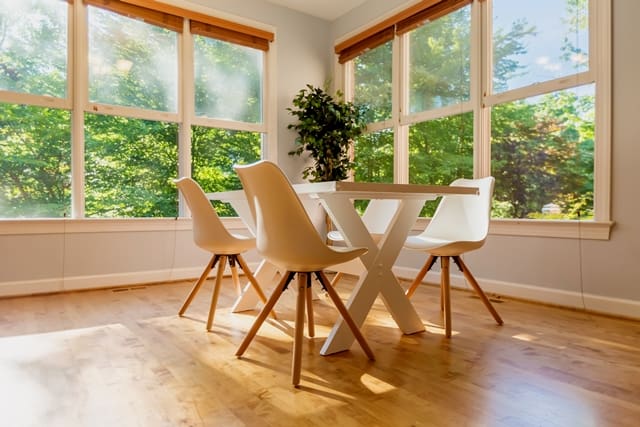
Natural light can influence how buyers perceive a home before they ever step through the front door. For real estate agents, understanding how to use available daylight can make a meaningful difference in listing photography, virtual tours, open houses, and private showings. Bright, naturally illuminated rooms often appear more spacious, comfortable, and welcoming in marketing materials. However, simply opening the curtains is not always enough to showcase a property effectively. Strategic use of windows, window treatments, furniture placement, mirrors, and photography timing can help agents present each room in its best possible light.
Identify Each Room’s Natural Light Sources
Before preparing a property for market, walk through the home at different times of day to understand where natural light enters each room. Pay attention to the direction of windows, the size of the openings, nearby buildings, landscaping, and exterior features that may block sunlight. A room that looks bright in the morning may appear much darker later in the afternoon, while another space may photograph better toward the end of the day. This information can help you determine when to schedule listing photography and showings. It can also reveal opportunities to rearrange furniture or adjust window treatments before the property is photographed. By treating natural light as part of the property’s marketing strategy, agents can make more deliberate decisions about how each space should be presented.
Use Window Treatments Strategically
Heavy curtains and closed blinds can make otherwise attractive rooms feel darker and smaller in listing photos. Encourage sellers to open curtains and raise blinds before photography and showings whenever privacy and exterior conditions allow. If existing window treatments are bulky or visually distracting, removing or simplifying them may allow more daylight into the room. Sheer curtains can also provide softness while allowing sunlight to filter through. Agents should avoid automatically removing every window treatment because some properties require privacy or light control, particularly bedrooms and street-facing spaces. The goal is to maximize desirable daylight while maintaining a comfortable and realistic presentation of the home.
Schedule Listing Photography Around Daylight
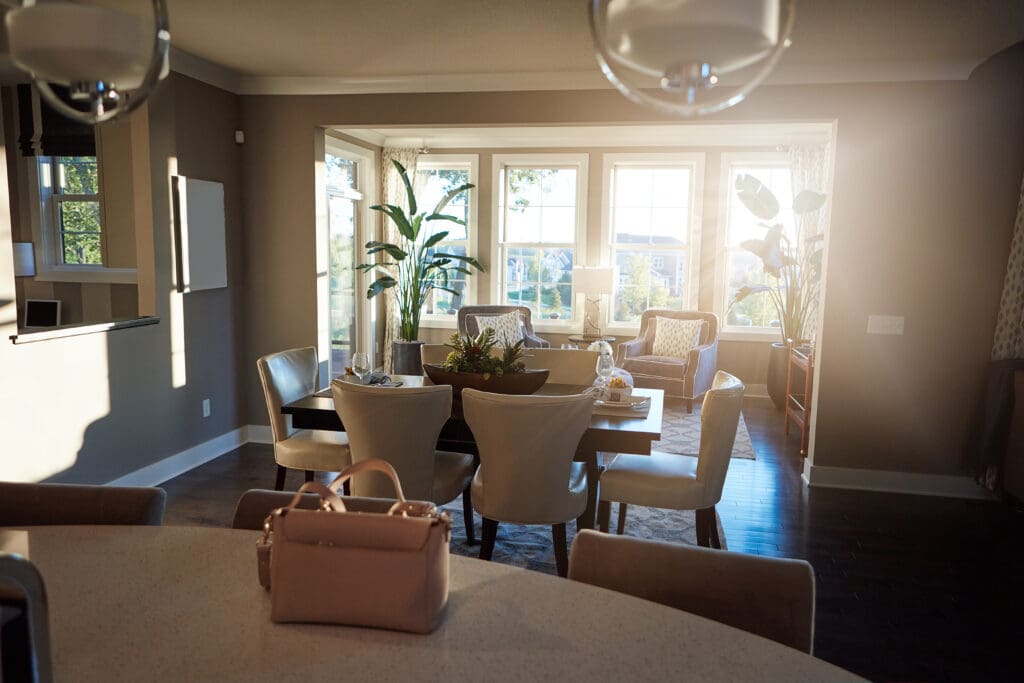
Photography timing can have a significant effect on how natural light appears in real estate listing photos. Instead of scheduling every property at the same time, consider how the home’s orientation and window placement affect illumination throughout the day. Photographers can often capture brighter interiors when rooms receive strong but balanced daylight rather than harsh direct sunlight. Testing the lighting conditions during a preliminary walkthrough can help identify the most favorable time for each property. Agents can then coordinate with photographers to capture important living areas when they look naturally bright and inviting. Thoughtful scheduling can help prevent dark interiors, excessive glare, and distracting window highlights from dominating the final images.
Make Small Rooms Feel More Open
Natural light can be especially valuable when marketing smaller bedrooms, hallways, offices, and compact living spaces. Keep furniture positioned so it does not unnecessarily block windows or interfere with the flow of daylight. Light-colored furnishings and minimally cluttered surfaces can help distribute the visual effect of incoming sunlight throughout the room. Mirrors can also reflect daylight into darker portions of a space when they are positioned thoughtfully rather than simply added for decoration. Agents should focus on creating an unobstructed visual path from the entrance of the room toward its windows. When buyers can clearly see the available light and openness of a smaller room, the space may photograph and show more effectively.
Use Mirrors to Reflect Available Light
Mirrors can be a useful staging tool when a room has limited natural illumination. Positioning a mirror opposite or adjacent to a window can help reflect daylight and create additional visual depth. Large mirrors may also make narrow rooms appear more open while drawing attention toward an attractive exterior view. However, mirror placement requires care because poorly positioned mirrors can reflect clutter, photographers, light fixtures, or unattractive parts of the room. Agents should inspect the reflection from multiple angles before photography begins. Used strategically, mirrors can complement existing natural light without making the room appear artificially bright.
Highlight Attractive Views Through Windows
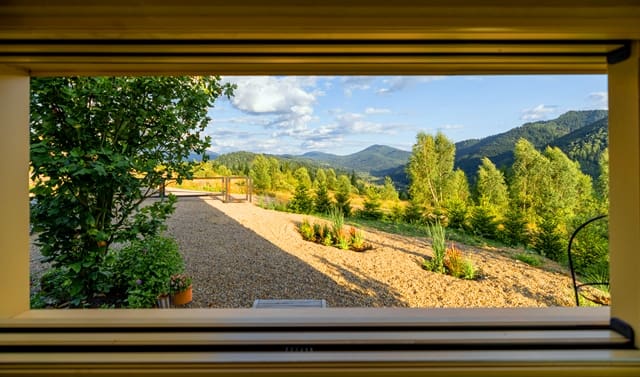
Windows do more than bring sunlight into a home; they can frame landscaping, mature trees, city views, water features, or attractive neighborhood surroundings. When a property has a particularly appealing view, arrange furniture and photography angles so the window becomes part of the visual story. Avoid placing large objects directly in front of attractive windows unless they serve an important staging purpose. Clean glass can also make a noticeable difference because fingerprints, dust, and streaks can reduce the clarity of both daylight and exterior views. During listing preparation, encourage sellers to clean accessible windows and remove unnecessary visual obstructions. A well-presented window can simultaneously communicate natural light, outdoor connection, and a desirable feature of the property.
Balance Bright Windows With Interior Exposure
One of the challenges of photographing naturally lit homes is preventing bright windows from becoming distracting white areas. If the camera exposes correctly for the interior, a sunny window may become overexposed, while exposing for the window can leave the room looking unnecessarily dark. Professional real estate photographers can use appropriate camera settings, supplemental lighting, and editing techniques to create a more balanced image. Agents should still prioritize authentic representation rather than relying on excessive editing that makes the property look significantly different from an in-person experience. The objective is to show buyers how the home actually feels while presenting its natural light as effectively as possible. Balanced photography can help reduce the disconnect between listing photos and the eventual showing.
Prepare Exterior Areas That Affect Interior Light
Landscaping can influence the amount of natural light entering a property just as much as interior staging. Overgrown shrubs, dense tree branches, tall hedges, and other obstructions may block windows and make rooms feel darker. Sellers should consider whether appropriate trimming or landscaping maintenance could improve the amount of daylight entering important living areas. This does not mean removing attractive mature landscaping simply to increase sunlight, because trees and plantings may provide privacy, shade, and curb appeal. Instead, agents can identify areas where reasonable maintenance may improve both exterior presentation and interior illumination. A well-maintained landscape can make windows look better from inside while improving the property’s overall appearance from the street.
Use Natural Light During Showings
The same principles used for listing photography should continue during buyer showings. Before visitors arrive, open appropriate curtains and blinds, clean windows, and turn on interior lights where they complement rather than compete with daylight. Agents should also consider the time of day when scheduling showings because some homes make a particularly strong impression when specific rooms are naturally illuminated. If a property has a beautiful afternoon glow in the main living area, scheduling a showing during that period may allow buyers to experience the space more authentically. However, agents should avoid creating expectations that depend entirely on a specific weather condition or time of day. The strongest presentation demonstrates how the home functions under ordinary conditions while taking advantage of its best natural features.
Make Natural Light Part of the Listing Story
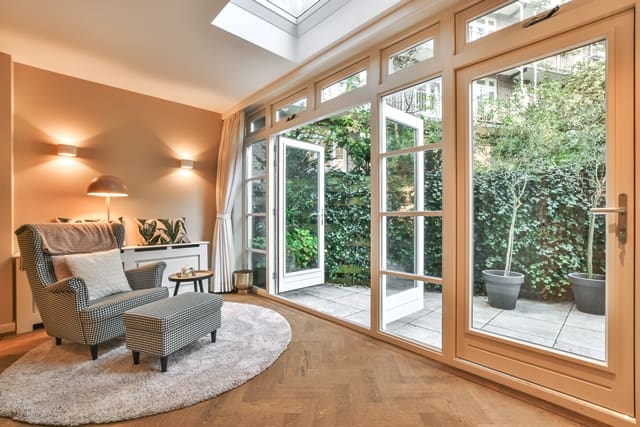
Natural light should not be treated as merely a photography concern because it can become part of the property’s broader marketing narrative. If a home has south-facing windows, skylights, expansive glass doors, or particularly bright living spaces, those characteristics can be incorporated into listing descriptions when they are accurate and relevant. Agents can also highlight how different rooms connect to outdoor spaces through light and views. Listing photographs, video tours, social media posts, and property websites should work together to reinforce these visual features. Avoid generic phrases such as “light-filled” unless the images genuinely support the description. Specific and credible descriptions can make natural light a meaningful part of the home’s value proposition without overstating what buyers will experience.
Conclusion
Natural light is one of the most accessible visual assets available when preparing a property for sale. Real estate agents can maximize its impact by understanding the home’s light patterns, coordinating photography times, adjusting window treatments, improving staging, and considering exterior conditions. Small changes can help rooms appear cleaner, more open, and more inviting without requiring expensive renovations. Natural light can also strengthen listing photography and create a more consistent experience between online marketing and in-person showings. By making daylight part of the listing strategy from the beginning, agents can present each property in a way that highlights its existing characteristics and helps buyers better understand the home’s spaces.
#RealEstateMarketing #RealEstateAgents #ListingMarketing #RealEstatePhotography #NaturalLight #HomeStaging #RealEstateSEO #ListingPhotos #PropertyMarketing #RealEstateTips
