
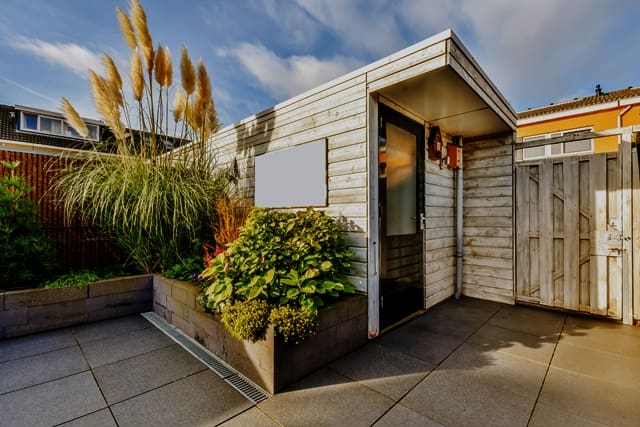
The rise of backyard offices is creating a new selling point for residential properties that real estate agents should not overlook. As remote and hybrid work continue influencing how people use their homes, buyers are increasingly interested in spaces that separate professional responsibilities from everyday living. A detached backyard office can provide privacy, convenience, and flexibility without requiring a homeowner to sacrifice an existing bedroom or interior living area. For sellers, this type of improvement can transform an overlooked portion of the property into a compelling lifestyle feature. For agents, understanding the appeal of backyard offices can create new opportunities for listing descriptions, property photography, staging, and buyer conversations.
Why Backyard Offices Are Becoming More Popular
Backyard offices have evolved from an unusual home improvement into a practical response to changing work habits. Many professionals want a dedicated workspace but do not want to spend their workday surrounded by household distractions. A separate structure can create a psychological boundary between work and personal life that is difficult to achieve when a desk occupies a bedroom, kitchen, or living room. Backyard offices can also serve multiple purposes, functioning as creative studios, guest spaces, hobby rooms, classrooms, or quiet retreats when they are not being used for work. Real estate agents who recognize this flexibility can position these spaces as lifestyle amenities rather than simply another room.
Backyard Offices Can Change How Buyers View Outdoor Space

Traditionally, real estate marketing has emphasized patios, decks, pools, landscaping, and outdoor entertaining areas when describing a backyard. A backyard office adds another dimension by turning outdoor space into productive square footage without necessarily expanding the main house. This can be particularly appealing to buyers who value privacy but still want convenient access to their homes. A well-designed office may make a large backyard feel more functional and purposeful, especially when the structure complements the home’s architecture. Agents should consider whether a backyard office changes the property’s overall story and incorporate that benefit into marketing materials.
Remote Work Is Influencing Buyer Priorities
The continued popularity of remote and hybrid work has changed the way many buyers evaluate residential properties. A home office is no longer necessarily viewed as a luxury reserved for executives or large houses because workers in many industries need reliable places to conduct meetings, concentrate, and manage daily responsibilities. However, an interior office can compete with other highly desirable uses for limited space. A detached backyard office provides an alternative by creating separation between work and home life. When presenting a property with this feature, agents can emphasize how the space accommodates modern work habits without suggesting that every buyer has identical needs.
A Backyard Office Can Create a Stronger Listing Story
Successful real estate marketing often depends on presenting a property as a lifestyle rather than simply a collection of rooms. A backyard office gives agents another story to tell about how buyers could use the property. Instead of describing a structure only as a detached workspace, marketing can highlight possibilities such as quiet video calls, focused work sessions, creative projects, tutoring, or personal business activities. Professional photography should show the relationship between the office and the main house so prospective buyers understand the layout and accessibility. When appropriate, video tours can also demonstrate the transition from the home’s interior to the separate workspace.
Photography Matters More Than Ever
A backyard office can be easy to overlook in listing photography if agents treat it as an afterthought. Exterior images should clearly establish where the office sits in relation to the house, driveway, landscaping, and other outdoor features. Interior photographs should show the workspace in a clean, functional configuration that helps buyers imagine using it themselves. Natural light, attractive furnishings, organized technology, and uncluttered surfaces can make a significant difference in how the space appears online. Because many buyers initially encounter properties through digital listings, strong photography can turn a backyard office from a curiosity into a memorable selling feature.
Staging a Backyard Office for Maximum Appeal
Staging a backyard office requires more than putting a desk and chair inside the structure. Agents should encourage sellers to demonstrate the most practical and visually appealing use of the space while keeping the design flexible enough for different buyers. A clean desk, comfortable chair, tasteful storage, and a few understated decorative elements can communicate functionality without making the room feel overly personalized. If the office is large enough to accommodate multiple uses, staging can subtly demonstrate those possibilities through furniture placement. The goal is to help buyers see the space as useful immediately while allowing them to imagine adapting it to their own needs.
Infrastructure Can Be a Major Selling Point
Not all backyard offices are created equally, and the underlying infrastructure can significantly affect buyer interest. Features such as reliable electrical service, heating and cooling, insulation, lighting, internet connectivity, and sound control can make a detached office considerably more functional. Agents should encourage sellers to gather documentation about improvements, permits, utility connections, and construction details when available. Buyers may have questions about whether the structure was professionally constructed and what uses are permitted under local regulations. Accurate information can prevent confusion and help agents market the office based on its actual capabilities rather than assumptions.
Permits and Zoning Should Not Be Overlooked
A backyard office can be an attractive feature, but real estate agents should be cautious about making claims regarding its legal status. Local zoning rules, building codes, setback requirements, utility regulations, homeowners association restrictions, and permitting requirements can vary substantially from one property to another. A structure that looks like a conventional office may have been built under rules governing accessory structures or another classification. Agents should encourage sellers to provide available documentation and recommend that buyers independently verify information that matters to their intended use. Clear and accurate marketing protects the transaction while still allowing the property to benefit from its unique workspace.
Backyard Offices Can Appeal to More Than Remote Workers

One of the biggest marketing opportunities is recognizing that a backyard office does not have to be marketed exclusively to people who work remotely. Entrepreneurs may appreciate having a dedicated place to manage a small business, while artists and designers may use the structure as a studio. Students, writers, consultants, and hobbyists may also value a quiet detached space. A buyer who does not work from home could eventually use the building as a private gym, music room, workshop, or guest retreat, depending on its design and local regulations. Agents who communicate these possibilities can broaden the feature’s appeal without overstating what the property can legally accommodate.
Backyard Offices Could Influence Perceived Home Value
Determining how much a backyard office contributes to property value is more complicated than simply adding construction costs to a home’s price. Buyers may value the feature differently depending on location, property size, construction quality, utility access, and the availability of comparable homes. Agents should avoid assuming that every dollar spent on an office will translate directly into an equivalent increase in market value. Instead, consider how the feature compares with other properties competing for the same buyers. In some markets, a functional detached workspace may provide a meaningful competitive advantage even when its exact contribution to appraised value is difficult to isolate.
How Agents Can Market Backyard Offices
Agents should make backyard offices visible throughout the listing strategy rather than mentioning them only in the property description. The feature can appear in the listing headline when appropriate, in photo captions, social media posts, virtual tours, email campaigns, and open-house conversations. Search-friendly phrases such as “backyard office,” “detached home office,” “private workspace,” and “remote work space” can help align listing content with the language buyers may use when searching online. However, keyword optimization should remain natural and accurately describe the property. A strong marketing strategy combines searchable terminology with compelling visuals and a clear explanation of why the workspace improves the overall living experience.
The Backyard Office May Become a Competitive Advantage
As residential properties continue adapting to changing lifestyles, features that provide flexibility can become increasingly important in real estate marketing. Backyard offices are particularly interesting because they address several buyer priorities at once, including privacy, productivity, flexibility, and efficient use of outdoor space. They also give agents an opportunity to differentiate properties that might otherwise appear similar to competing listings. The strongest examples will likely be offices that are attractive, comfortable, functional, and thoughtfully integrated into the backyard. For agents, recognizing and properly marketing these spaces can help turn an unconventional property feature into a meaningful competitive advantage.
Conclusion
The rise of backyard offices represents more than a passing home design trend because it reflects the continuing evolution of how people live and work. For real estate agents, these detached workspaces create opportunities to highlight functionality that traditional listing descriptions may overlook. Agents should evaluate the quality, condition, infrastructure, documentation, and potential uses of each backyard office before incorporating it into a marketing strategy. Strong photography, accurate descriptions, strategic staging, and search-optimized language can help buyers understand why the feature matters. As buyers continue seeking homes that accommodate work, hobbies, privacy, and changing lifestyles, the backyard office may become one of the most interesting features agents can showcase.
#RealEstateAgents #RealEstateMarketing #BackyardOffice #HomeOffice #RemoteWork #RealEstateTrends #HomeValue #RealEstateSEO #PropertyMarketing #ResidentialRealEstate
