

The real estate industry is evolving at an unprecedented pace, and smart home technology is at the forefront of this transformation. Buyers are increasingly seeking homes with advanced tech features that enhance convenience, security, and energy efficiency. For agents, understanding these trends is no longer optional—it’s essential for guiding clients effectively and staying competitive in a fast-moving market. From AI-driven home systems to eco-friendly innovations, smart home technology is reshaping the way properties are valued and marketed. This blog will highlight the key trends every real estate professional should know to remain relevant and successful.
The Rise of AI-Integrated Home Systems
Artificial intelligence is revolutionizing smart homes, enabling homeowners to automate and optimize daily routines. AI-driven thermostats, lighting, and security systems learn user preferences to enhance comfort while reducing energy consumption. Voice-controlled assistants and AI-powered appliances are now common, providing convenience and increasing property appeal. Agents who can explain these features to buyers can significantly influence purchasing decisions. Understanding the latest AI trends allows agents to showcase properties more effectively and position them as modern, future-ready homes.
Energy Efficiency and Sustainability

Eco-conscious buyers increasingly prioritize homes that reduce energy consumption and environmental impact. Smart thermostats, solar panels, energy-efficient appliances, and automated lighting systems are now considered must-have features. Homes equipped with these technologies often command higher resale values and attract a broader pool of buyers. Agents who understand the financial and environmental benefits of these systems can better communicate their value. Highlighting sustainability in listings not only appeals to buyers but also aligns with growing global trends toward greener living.
Smart Home Entertainment and Connectivity
Connectivity is a key driver in modern home technology, and smart entertainment systems are gaining traction among buyers. Integrated sound systems, smart TVs, and multi-room audio setups create immersive experiences that appeal to tech-focused households. High-speed internet and home networking solutions are also critical for remote work and seamless device connectivity. Agents who are aware of these features can effectively market homes to younger demographics and tech enthusiasts. Knowledge of entertainment and connectivity trends ensures listings stand out in a competitive market.
Smart Security Solutions
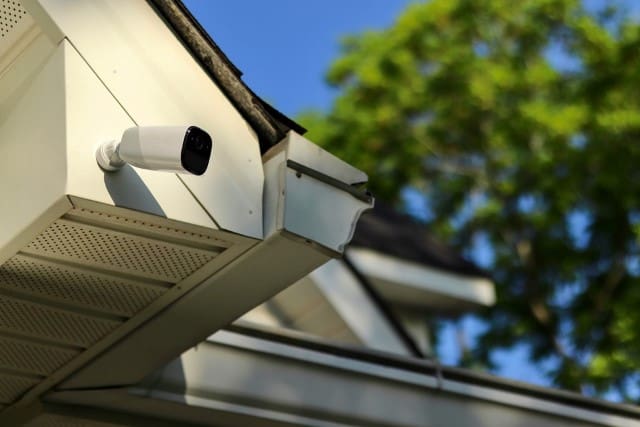
Security remains a top priority for homebuyers, and smart technology has transformed how homeowners protect their properties. Advanced systems now offer video doorbells, motion sensors, and remote monitoring accessible via smartphones. Features like facial recognition and AI-powered alerts add layers of safety and convenience, making homes more attractive to tech-savvy buyers. Being knowledgeable about these security innovations allows agents to address buyer concerns confidently and highlight unique selling points. In an era where safety is non-negotiable, understanding smart security trends is a powerful tool for any real estate professional.
Conclusion
Staying informed about smart home technology trends is essential for agents aiming to succeed in today’s dynamic real estate market. From AI-driven automation and advanced security to energy efficiency and connected entertainment, these innovations are transforming buyer expectations. Agents who understand and can communicate the benefits of these features position themselves as knowledgeable, forward-thinking professionals. By embracing these trends, real estate professionals can better serve clients, increase property value perception, and maintain a competitive edge. Smart home technology is no longer just a perk—it’s becoming a standard expectation in the modern housing market.
#SmartHomeTrends #RealEstateTechnology #HomeAutomation #EnergyEfficientHomes #AIinRealEstate #ConnectedLiving
