

Accurately pricing a home in today’s market is one of the most crucial skills every real estate agent must master. With fluctuating interest rates, changing buyer demand, and evolving neighborhood trends, setting the right price can make the difference between a quick sale and a property that lingers on the market. Agents who understand how to evaluate comparable sales, analyze market data, and account for local economic factors can position their listings for success. Pricing a home correctly not only attracts serious buyers but also establishes credibility and trust with clients.
Understanding Market Conditions
To price a home effectively, agents must first understand the current market conditions influencing buyer behavior. Is the market leaning toward buyers, sellers, or staying balanced? Monitoring inventory levels, average days on market, and recent price reductions provides valuable insight into how aggressive or conservative your pricing strategy should be. Economic indicators such as employment rates, inflation, and mortgage interest trends also play significant roles in determining what buyers are willing to pay. By keeping a close eye on these trends, real estate agents can adjust their pricing strategies to stay ahead of the market curve.
Analyzing Comparable Sales (Comps)
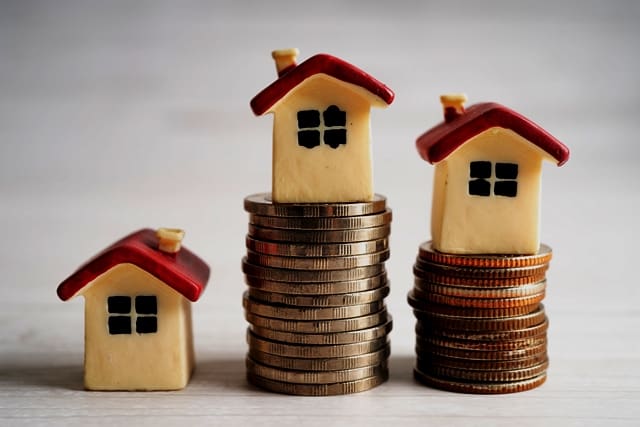
Comparable sales—often referred to as “comps”—are a cornerstone of home valuation. A thorough analysis of recently sold properties in the same neighborhood gives agents a reliable benchmark for pricing. Look for homes with similar square footage, lot size, condition, and features to ensure an accurate comparison. Adjust pricing up or down based on differences such as upgrades, additional amenities, or less desirable locations. Relying on well-chosen comps helps prevent overpricing, which can drive buyers away, and underpricing, which can leave money on the table.
Considering Property-Specific Factors
Every home is unique, and its specific features can significantly influence its market value. Elements like recent renovations, high-end finishes, energy-efficient systems, and outdoor amenities such as pools or decks can enhance perceived value. On the other hand, outdated interiors, deferred maintenance, or less desirable layouts may justify a lower asking price. Agents must carefully evaluate these factors through both an objective and market-savvy lens to ensure the home’s price reflects its true worth. Highlighting distinctive features in your marketing can also help justify your chosen price point to potential buyers.
Leveraging Technology and Data Tools

Modern real estate agents have access to an array of digital tools that simplify and refine the pricing process. Automated valuation models (AVMs), real estate CRM platforms, and online comparative market analysis (CMA) software provide valuable data to support pricing decisions. Additionally, tracking neighborhood analytics and consumer behavior patterns allows agents to anticipate price shifts before they happen. Embracing technology not only enhances accuracy but also strengthens your professional credibility with clients who expect data-driven insights. Integrating these tools into your pricing strategy ensures that your valuations remain both competitive and precise.
Conclusion
Accurate home pricing remains one of the most influential factors in achieving a successful sale in today’s dynamic real estate market. Agents who master the balance between data analysis, market awareness, and property evaluation can consistently deliver exceptional results for their clients. By combining local expertise with modern technology, real estate professionals can stay competitive and build stronger client relationships. In an ever-changing housing landscape, precision, adaptability, and informed strategy are the keys to pricing success.
#RealEstateMarketing #HomePricingStrategy #RealtorTips #MarketAnalysis #ListingSuccess
