

Color trends can be exciting, bold, and visually striking, but not all of them translate well in the real estate market. As a real estate agent, understanding how color impacts buyer perception is critical when advising sellers on how to prepare their homes. While homeowners may love trendy shades, buyers often prefer neutral and universally appealing environments. The wrong color choices can create distractions, limit emotional connection, and ultimately reduce offers. In today’s competitive housing market, subtle design missteps like poor color selection can significantly impact time on market and final sale price. Knowing which trends to avoid can position you as a trusted expert and help your clients achieve better outcomes.
Dark and Moody Colors That Shrink Spaces
Deep, moody tones like charcoal, navy, and forest green have surged in popularity, especially in design magazines and social media. However, these colors can make rooms feel smaller, darker, and less inviting to potential buyers. Many buyers walk into a home looking for bright, open spaces that feel clean and move-in ready. When walls are painted in heavy shades, it can create a closed-in feeling that turns buyers away before they even consider the layout. Additionally, darker colors can make it harder for buyers to visualize their own furniture and décor in the space. Encouraging sellers to lighten up interiors can instantly make a home feel larger and more appealing.
Bold Accent Walls That Distract Buyers
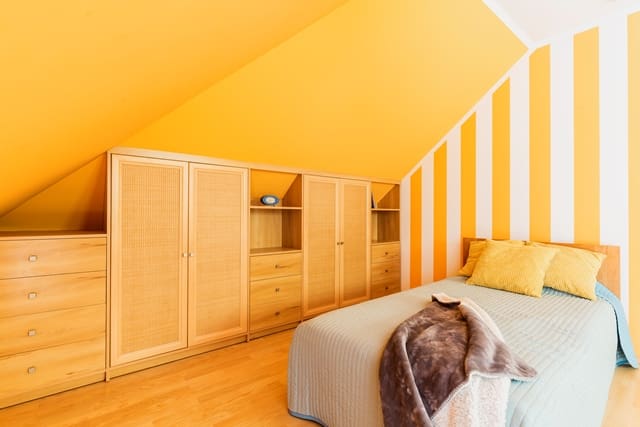
Accent walls in bold colors like bright red, electric blue, or vibrant yellow may reflect a homeowner’s personality, but they often do more harm than good when selling. These dramatic choices can become focal points that distract buyers from the home’s actual features. Instead of noticing architectural details or natural light, buyers fixate on the color and mentally calculate the effort needed to repaint. This creates a psychological barrier that can lower perceived value. Even if the rest of the home is neutral, a single overpowering wall can disrupt the overall flow. Advising sellers to tone down or eliminate bold accent walls can help maintain a cohesive and inviting atmosphere.
Overly Trendy Pastels That Date Quickly
Soft pastel tones like millennial pink, lavender, or mint green have had moments of popularity, but they can quickly make a home feel dated. Buyers often associate these colors with specific time periods or design trends that have already passed. When a home feels outdated, it can signal to buyers that other aspects of the property may also need updating. This perception can lead to lower offers or longer time on the market. Neutral palettes, on the other hand, provide a timeless backdrop that appeals to a wider audience. Steering sellers away from overly trendy pastels can help keep their property feeling fresh and relevant.
The Impact of Color on Online Listings
In today’s digital-first real estate market, color choices don’t just affect in-person showings—they also influence online engagement. Listing photos are often a buyer’s first impression, and bold or unconventional colors can deter clicks. Bright or dark hues may not photograph well, making spaces appear smaller or less inviting in listing images. Since most buyers begin their search online, poor visual presentation can reduce showing requests before a home even hits the open market. Neutral, well-lit spaces tend to perform better in photos and attract more interest. Guiding sellers to optimize their color choices for both in-person and online appeal is a key strategy for success.
High-Contrast Color Schemes That Overwhelm
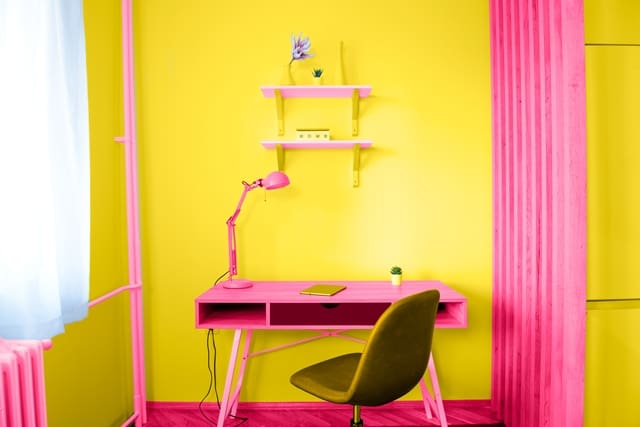
High-contrast combinations, such as black and white extremes or clashing color pairings, can feel visually overwhelming in a residential setting. While these designs may work in modern or artistic spaces, they often lack the warmth and comfort buyers seek in a home. Strong contrasts can make rooms feel disjointed and less cohesive, which affects the overall impression of the property. Buyers typically prefer a sense of harmony that allows them to imagine living comfortably in the space. When colors compete for attention, it becomes harder to focus on the home’s strengths. Encouraging balanced, neutral tones can create a more welcoming and marketable environment.
Conclusion: Guiding Sellers Toward Buyer-Friendly Choices
Color trends come and go, but buyer preferences tend to remain consistent when it comes to home purchasing decisions. As a real estate agent, your ability to identify and advise against harmful color trends can directly impact your client’s success. By steering sellers toward neutral, light, and universally appealing palettes, you help create a space that resonates with the largest pool of buyers. This not only increases the likelihood of faster sales but can also lead to stronger offers. Positioning yourself as a knowledgeable resource in areas like design and staging adds significant value to your services. Ultimately, understanding the impact of color can give you a competitive edge in today’s market.
#RealEstateMarketing #HomeSellingTips #StagingHomes #RealEstateAgents #HomeDesignTrends #SellFaster #ListingTips #RealEstateSEO
