

Color can influence far more than a buyer’s first impression of a home. From the moment prospective buyers walk through the front door, colors can affect how spacious, comfortable, modern, or welcoming a property feels. While buyers may not consciously recognize every psychological response to color, their reactions can influence how they remember and evaluate a listing. For real estate agents, understanding color psychology can provide another useful tool for advising sellers on staging, photography, and property presentation. Strategic color choices can help a home appeal to a broader audience without requiring expensive renovations or dramatic design changes.
Why Color Matters in Real Estate Marketing
Color plays an important role in how people perceive their surroundings, which makes it particularly relevant to real estate marketing. A room painted in a soft neutral shade may feel calm and spacious, while a room with an intense color may feel smaller, more dramatic, or more personalized. These impressions can affect whether buyers feel comfortable lingering in a space or quickly decide that it does not fit their lifestyle. Color also influences listing photographs, which are often a buyer’s first exposure to a property before an in-person showing. Agents who understand these visual effects can help sellers make strategic choices that improve both online and in-person presentation.
Neutral Colors Can Expand Buyer Appeal
Neutral colors remain popular in real estate because they give buyers a relatively blank canvas for imagining their own furniture, artwork, and personal style. Shades such as warm white, beige, soft gray, greige, and muted taupe can make rooms feel cohesive without overwhelming potential buyers. Neutral walls can also help architectural features, flooring, cabinetry, and natural light receive more attention. However, agents should remember that neutral does not have to mean sterile or completely devoid of personality. Warm undertones, natural textures, and carefully selected accent colors can create an inviting environment while maintaining broad buyer appeal.
Blue Can Create a Sense of Calm

Blue is frequently associated with calmness, trust, relaxation, and stability, making it an interesting color for certain areas of a home. Soft blue can work particularly well in bedrooms and bathrooms because these spaces often benefit from a peaceful atmosphere. Deeper shades of blue can create sophistication, although they may need to be balanced with lighter furnishings and sufficient lighting. Agents should encourage sellers to consider the specific shade rather than assuming every blue will have the same effect. A muted blue-gray may appeal to a broad audience, while an extremely saturated navy or bright blue could become a stronger personal preference.
Green Connects Interiors With Nature
Green can create associations with nature, freshness, balance, and relaxation, which can make it useful when homeowners want an organic or contemporary feel. Soft sage, olive, eucalyptus, and muted green tones have become popular choices for creating comfortable interior spaces. Green can work especially well in rooms with abundant natural light, indoor plants, wood accents, or views of landscaping. The right shade can help connect the interior of a property with its surrounding environment. Real estate agents can suggest restrained green accents when sellers want to introduce personality without making a room feel overly customized.
White Can Make Rooms Feel Brighter
White is one of the most recognizable colors in home staging because it can reflect light and contribute to an impression of cleanliness and openness. In smaller rooms, the right white can help create a brighter and less visually cluttered appearance. White can also photograph well when paired with natural light and contrasting furnishings. However, not every white produces the same result, and cool whites can sometimes make rooms feel stark depending on the lighting and surrounding finishes. Agents should encourage sellers to evaluate paint colors under the property’s actual lighting conditions before committing to a whole-home repaint.
Warm Colors Can Influence Energy and Emotion
Warm colors such as red, orange, and yellow can create feelings of energy, warmth, enthusiasm, and activity. These colors can be effective when used strategically, but strong versions may be more polarizing than softer neutrals. A bright red accent wall, for example, could become the first thing buyers notice rather than allowing them to focus on the home’s features. Softer terracotta, muted mustard, warm beige, or dusty peach can provide warmth without dominating a room. For real estate listings, the goal is generally to use color to support the home’s atmosphere rather than allowing a particular color to become the defining feature.
Color Can Affect Perceived Room Size
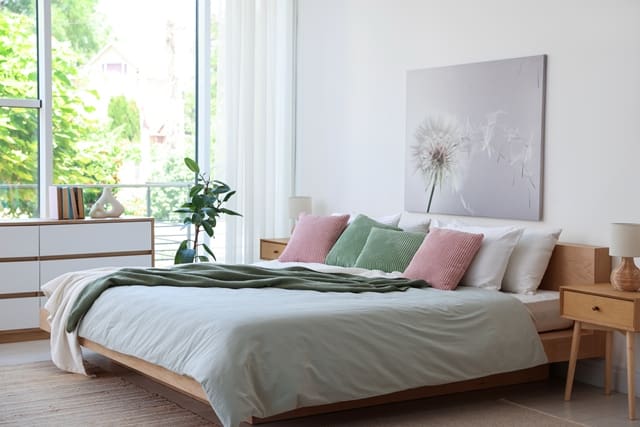
One of the most useful considerations for real estate agents is how color can influence a buyer’s perception of space. Lighter colors generally reflect more light and can make a room appear more open, while darker colors may create a cozier or more intimate impression. Painting walls and ceilings in similar light shades can also create visual continuity that makes a space feel less segmented. Conversely, strong contrasts between walls, ceilings, trim, and doors can draw attention to individual architectural elements. When advising sellers, agents should consider whether the color scheme emphasizes the home’s strongest features or highlights limitations that buyers might otherwise overlook.
Dark Colors Can Add Sophistication
Dark colors can create dramatic, luxurious, and sophisticated interiors when they are used thoughtfully. Charcoal, deep green, navy, and other darker shades can make dining rooms, offices, bedrooms, and accent areas feel distinctive. However, dark colors can also make poorly lit or small spaces appear more confined, which means sellers should consider room size, natural light, ceiling height, and existing furnishings. The same color that looks elegant in a bright, spacious room may feel heavy in a narrow room with limited windows. Agents can help sellers determine where darker colors enhance the property’s features and where lighter shades may produce a more favorable impression.
Paint Color Matters in Listing Photography
Color choices do not only affect buyers during showings because they can also influence the appearance of a property in listing photos. Camera settings, natural light, artificial lighting, editing, and the surrounding furnishings can all change how a paint color appears on screen. A color that looks warm and inviting in person may appear dull or overly saturated in photographs. Since many buyers begin their search online, agents should pay close attention to how paint colors interact with the property’s lighting and photography. Professional real estate photography can help represent colors accurately, but thoughtful staging and paint choices remain essential to creating attractive listing images.
Encourage Sellers to Avoid Overpersonalization
A seller’s favorite color may not necessarily be the best color for attracting prospective buyers. Highly personalized paint choices can make buyers focus on the work required to change the home rather than imagining themselves living there. This does not mean every room must be painted white or beige, because excessive neutrality can also make a property feel bland and forgettable. Instead, sellers should aim for a balanced color palette that provides personality while remaining accessible to different tastes. Agents can position this approach as a marketing strategy designed to maximize buyer appeal rather than as criticism of the seller’s decorating preferences.
Use Color Strategically During Home Staging

Color can become particularly powerful when it is incorporated through staging accessories rather than permanent finishes. Throw pillows, artwork, rugs, curtains, bedding, towels, and other accessories can introduce coordinated colors without requiring major changes to the property. Strategic accents can draw attention toward desirable features such as fireplaces, architectural details, large windows, or attractive outdoor views. A consistent palette throughout the home can also create a sense of flow from room to room. Real estate agents should encourage sellers and stagers to use color intentionally so that every accent supports the overall story of the property.
Color Trends Should Not Dictate Every Decision
Following current interior design trends can make a home look contemporary, but real estate agents should be cautious about recommending colors solely because they are fashionable. Design trends change, and today’s most popular shade may not have the same appeal several years from now. Buyers also have widely different preferences, which makes timeless and adaptable color palettes particularly valuable when preparing a property for sale. Agents can use current trends as inspiration while prioritizing the home’s architecture, lighting, neighborhood, price point, and likely buyer demographic. The objective is not to create the trendiest house possible but to create a visually appealing property that allows prospective buyers to imagine themselves living there.
Help Sellers Think Beyond Paint
Color psychology should be considered as part of the entire visual experience rather than as a paint-only strategy. Flooring, cabinetry, countertops, furniture, window treatments, landscaping, exterior materials, and even front-door colors contribute to a property’s overall color story. When these elements compete with one another, buyers may perceive the home as visually busy or dated. When they complement one another, the property can feel more cohesive and thoughtfully designed. Real estate agents who evaluate the complete color palette can provide sellers with practical recommendations that go beyond simply choosing a new wall color.
Conclusion
Color can influence home buying decisions by shaping how buyers perceive comfort, space, cleanliness, sophistication, and overall livability. While color alone will not determine whether a buyer submits an offer, it can contribute meaningfully to the emotional and visual experience created by a listing. Real estate agents can use color psychology to help sellers prepare properties that photograph well, feel inviting during showings, and appeal to a wider range of prospective buyers. The most effective strategy is usually not to eliminate personality but to create balance through thoughtful, coordinated, and market-conscious color choices. By understanding how color affects buyer perception, agents can add another valuable layer to their home staging and real estate marketing strategies.
#RealEstateAgents #RealEstateMarketing #HomeStaging #ColorPsychology #RealEstateTips #HomeSellingTips #ListingTips #RealEstatePhotography #BuyerPsychology #PropertyMarketing
