

Real estate professionals face unique safety challenges every day while meeting new clients, hosting open houses, and showing vacant properties. As the industry continues to evolve, agent safety must remain a top priority for every real estate professional. Taking proactive measures can help reduce risks, create safer working environments, and provide peace of mind when conducting business. Clients also appreciate working with agents who demonstrate professionalism and preparedness. By implementing proven safety strategies, agents can better protect themselves while maintaining exceptional customer service.
1. Verify Client Information Before Meeting
One of the most effective ways to improve agent safety is to verify client information before scheduling an in-person meeting. Collecting identification details, confirming contact information, and conducting preliminary virtual consultations can help establish trust and legitimacy. Agents should avoid meeting unknown individuals without first gathering basic information about them. Utilizing customer relationship management systems to document interactions creates an additional layer of protection. Taking these precautions helps agents make informed decisions before entering potentially vulnerable situations.
2. Meet New Clients in Public Locations First
Whenever possible, agents should arrange initial meetings in public places such as coffee shops, brokerage offices, or community centers. Public settings provide a safer environment for both agents and clients while allowing productive conversations about goals and expectations. These meetings also provide an opportunity to build rapport before progressing to private property showings. Establishing a professional relationship in a controlled environment can significantly reduce safety concerns. Agents who make this practice a standard procedure often feel more confident and secure throughout the transaction process.
3. Use Technology to Enhance Personal Safety

Modern technology offers valuable tools that can help real estate professionals stay safe while working independently. Mobile safety applications, location-sharing services, and emergency alert features allow agents to communicate their whereabouts with trusted contacts. Many agents also use digital scheduling platforms that provide detailed records of appointments and client interactions. Wearable technology and GPS-enabled devices can offer additional peace of mind during showings and open houses. Embracing technology as part of a comprehensive safety plan can provide an important layer of protection.
4. Maintain Situational Awareness During Showings
Situational awareness is a critical skill that every real estate agent should continuously develop. Agents should familiarize themselves with property layouts, identify exits, and remain aware of their surroundings throughout appointments. Parking in visible locations and keeping vehicles accessible can contribute to safer property visits. Avoiding distractions such as excessive phone use allows agents to focus on potential safety concerns. By remaining alert and prepared, agents can better respond to unexpected situations if they arise.
5. Create and Follow Office Safety Protocols
Brokerages that establish clear safety policies create a culture of awareness and accountability. Agents should follow procedures for documenting appointments, sharing schedules, and checking in with colleagues during property tours. Regular safety training sessions help reinforce best practices and keep safety top of mind. Offices that prioritize safety often experience greater confidence among their agents and staff. Consistent adherence to established protocols can significantly reduce risk exposure across an organization.
6. Host Open Houses with Safety Measures in Place
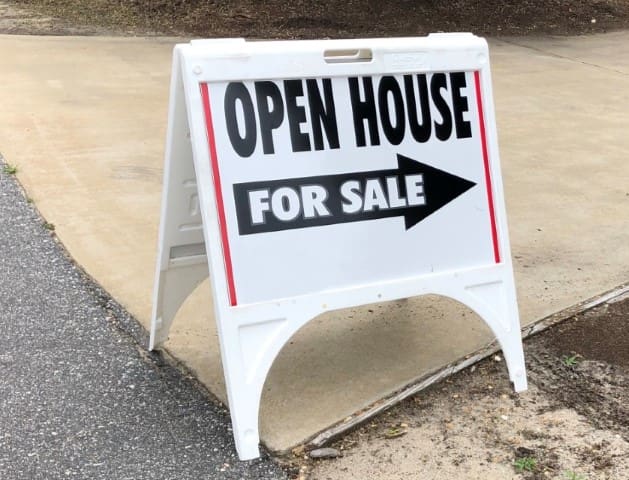
Open houses present unique opportunities but also require thoughtful safety planning. Agents should ask visitors to sign in, verify contact information when appropriate, and avoid allowing large groups to enter simultaneously without supervision. Keeping personal belongings secure and maintaining visibility throughout the property can help prevent potential issues. Whenever possible, hosting open houses with another agent or team member provides additional security. Make sure someone knows where your open house is located and when it is scheduled to end. Careful preparation enables agents to focus on serving visitors while minimizing safety concerns.
7. Trust Your Instincts and Set Boundaries
One of the most valuable safety tools an agent possesses is intuition. If a situation feels uncomfortable or suspicious, agents should trust their instincts and take appropriate action. Establishing clear professional boundaries and refusing requests that compromise personal safety are essential practices. Make sure you stay aware of your surroundings at all times. Successful agents understand that prioritizing safety does not negatively impact client service. In fact, maintaining firm boundaries demonstrates professionalism and reinforces a commitment to responsible business practices.
Conclusion
Agent safety should never be treated as an afterthought in the real estate industry. Implementing proactive strategies such as client verification, public meetings, technology usage, situational awareness, office protocols, open house safeguards, and trusting personal instincts can help create a safer work environment. Real estate professionals who prioritize safety are better equipped to focus on serving clients and growing their businesses. As industry conditions continue to evolve, maintaining strong safety habits remains essential for long-term success. By making safety a daily priority, agents can confidently navigate their careers while protecting themselves and their businesses.
#RealEstateAgentSafety #RealEstateTips #AgentSafety #RealtorSuccess #RealEstateMarketing #RealEstateProfessionals #OpenHouseSafety #RealEstateBusiness #SafetyFirst #RealEstateTraining
