

Homebuyers evaluate far more than square footage, countertops, and curb appeal when deciding whether a property feels like home. Indoor air quality can quietly influence a buyer’s perception of comfort, cleanliness, maintenance, and overall property condition. Concerns about dust, odors, mold, ventilation, allergens, humidity, and other indoor air pollutants can make buyers hesitate even when a home looks beautiful. For real estate agents, understanding how air quality influences buyer decisions can provide another valuable perspective when preparing and marketing listings. By recognizing the connection between indoor air quality and buyer psychology, you can help sellers present their properties in a way that feels fresh, comfortable, and move-in ready.
Why Indoor Air Quality Matters to Homebuyers
Indoor air quality has become an increasingly important consideration for people spending significant amounts of time inside their homes. Buyers may notice stale odors, excessive humidity, visible mold, or poor ventilation as soon as they walk through the door. Even when buyers cannot identify a specific air-quality issue, an unpleasant smell or stuffy atmosphere can create a negative emotional reaction. That first impression may influence how they perceive other features throughout the property. Real estate agents should therefore recognize that air quality is not merely a maintenance concern but can also affect the overall buyer experience.
Odors Can Create Immediate Negative Impressions
Smell is one of the fastest ways for a buyer to form an opinion about a property. Persistent odors from pets, cigarette smoke, cooking, mildew, or damp areas can cause buyers to associate the home with hidden maintenance problems. Air fresheners may temporarily mask unpleasant smells, but heavy fragrances can sometimes make buyers wonder what the seller is trying to conceal. A clean, neutral-smelling home generally creates a more inviting showing environment. Before listing a property, encourage sellers to identify and address the underlying causes of persistent odors rather than simply covering them up.
Humidity and Ventilation Influence Comfort
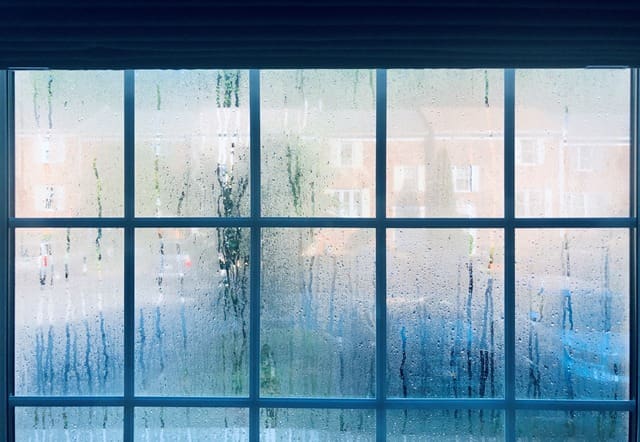
Humidity can affect how comfortable a home feels and may also contribute to concerns about moisture-related problems. Buyers may notice condensation, musty smells, or rooms that feel unusually damp during a showing. Poor ventilation can make kitchens, bathrooms, basements, and other areas feel stale or uncomfortable, particularly when fresh air circulation is limited. Simple improvements such as properly functioning exhaust fans and appropriate ventilation can make a noticeable difference in the showing experience. Agents can help sellers understand that comfort is an important part of how buyers emotionally evaluate a property.
Mold Concerns Can Stop a Buyer in Their Tracks
Few indoor air quality concerns create as much anxiety among buyers as visible mold or evidence of moisture intrusion. Even a small area of suspected mold can prompt questions about leaks, ventilation, previous water damage, remediation, and ongoing maintenance. Buyers may worry about potential costs or complications even when the issue appears manageable. Real estate agents should never minimize or make unsupported claims about suspected environmental problems. Instead, sellers should address known moisture issues appropriately and maintain documentation of professional inspections or remediation when applicable.
Allergens Can Affect Buyer Perception
Dust, pet dander, pollen, and other airborne particles can be especially noticeable to buyers who are sensitive to allergens. A home that appears clean but has excessive dust or strong pet odors may still leave an unfavorable impression. Regular cleaning of floors, upholstery, vents, and other surfaces can help create a fresher environment for showings. Replacing or maintaining HVAC filters according to manufacturer recommendations can also be part of a seller’s normal home-maintenance routine. While agents should avoid making health claims about a property, they can encourage sellers to create a clean and comfortable environment for prospective buyers.
HVAC Systems Play an Important Role
The heating and cooling system can influence both indoor comfort and buyer confidence. Buyers may ask about the age of the HVAC system, maintenance history, filter changes, ventilation, and overall performance. Unusual smells or visible dust around vents can create questions about whether the system has been properly maintained. A clean and well-maintained HVAC system can reinforce the impression that the property has received consistent care. Agents should encourage sellers to retain maintenance records because documentation can give buyers additional confidence when evaluating the home’s condition.
Preparing a Home for Better Air Quality
Preparing a property for market should include more than decluttering and staging because the atmosphere inside the home matters as well. Sellers can begin by addressing obvious sources of odors, cleaning surfaces, improving ventilation, and resolving known moisture problems. Carpets, curtains, upholstery, and other materials can retain odors and may deserve additional attention before showings. Kitchens and bathrooms should receive particular attention because these areas commonly generate moisture and strong smells. A fresh, neutral, comfortable environment can help buyers focus on the home’s desirable features instead of distractions related to indoor air quality.
Air Quality Can Influence Perceived Home Value

Buyers rarely evaluate individual features in isolation because each observation contributes to their perception of the property’s overall value. A home that smells fresh, feels comfortable, and appears well maintained can seem more inviting during a showing. Conversely, unpleasant odors, visible moisture problems, or stuffy rooms can make buyers mentally add potential repair costs to their evaluation. This can influence offer decisions, negotiation strategies, and even whether buyers remain interested in the property. Real estate agents who understand these subtle factors can help sellers address avoidable concerns before they become obstacles.
How Agents Can Discuss Air Quality With Sellers
Real estate agents should approach air quality conversations carefully and professionally. Rather than diagnosing problems, agents can point out noticeable conditions and recommend that sellers consult appropriately qualified professionals when an issue requires investigation. This approach helps keep the conversation focused on property condition without making unsupported environmental or health claims. Agents can also encourage sellers to maintain documentation for completed repairs, HVAC servicing, moisture remediation, or other relevant work. Clear communication and accurate documentation can help reduce uncertainty when buyers ask questions about the home’s indoor environment.
Air Quality Can Strengthen the Showing Experience
A successful showing engages buyers through every sense, and air quality is an important part of that experience. Buyers may remember a home that felt fresh, comfortable, and clean just as strongly as they remember attractive finishes or an impressive kitchen. Neutral odors, comfortable temperatures, appropriate humidity, and good ventilation can create a more pleasant environment without requiring expensive upgrades. These details may seem minor, but small sensory experiences can influence a buyer’s emotional connection to a property. Agents who incorporate indoor comfort into their listing-preparation strategy can help sellers create a more positive first impression.
Conclusion
Air quality can influence buyer decisions because it affects how comfortable, clean, and well-maintained a home feels during the buying process. Odors, humidity, ventilation, allergens, moisture, mold concerns, and HVAC conditions can all shape a buyer’s perception of a property. Real estate agents do not need to become environmental specialists to recognize when indoor air quality may affect a listing’s appeal. Instead, they can help sellers identify obvious concerns, address appropriate maintenance issues, and create a fresh and welcoming showing environment. By making air quality part of the broader conversation about home preparation, agents can help their listings make a stronger impression with today’s increasingly informed homebuyers.
#RealEstateAgents #RealEstateMarketing #HomeBuyers #IndoorAirQuality #AirQuality #RealEstateTips #HomeSelling #ListingTips #RealEstateSEO #HomeStaging
